
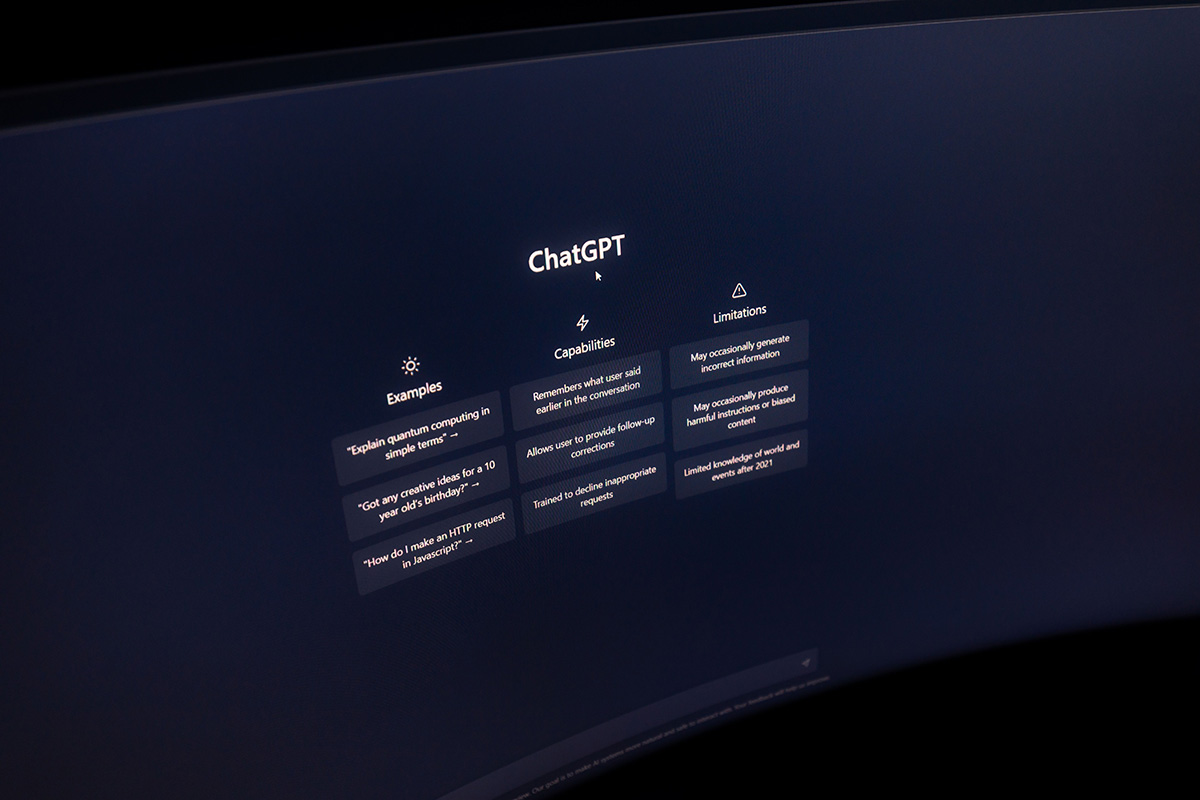
Artificial intelligence (AI) has quickly become part of everyday business operations. From writing emails and creating reports to analyzing data and improving customer support, AI-powered tools are helping companies work smarter and faster. Platforms like ChatGPT, Microsoft Copilot, and Google Gemini are transforming how businesses operate.
However, as AI adoption grows, so do the security risks.
Many business owners focus on what AI can do for productivity but overlook how it can affect data privacy and cybersecurity. Without clear guidelines, employees may unintentionally share confidential information with public AI tools, exposing sensitive business data to unnecessary risks.
If your organization is using AI, or plans to-it’s important to understand how to use it safely. Building a strong AI security for business strategy protects your company, your customers, and your reputation.
Why AI Security Matters for Businesses
AI tools are designed to process the information users provide. While many platforms have improved their privacy controls, public AI services may still retain or process data depending on account settings, usage policies, and the service being used.
This means employees could accidentally enter:
- Customer information
- Financial records
- Internal business strategies
- Legal documents
- Employee records
- Proprietary code
- Contracts
- Passwords or login credentials
Once sensitive information is shared, your business may lose control over where that data is stored or how it's processed.
For organizations handling confidential client information, this creates unnecessary cybersecurity risks.
Common AI Security Risks Businesses Face
Understanding potential risks is the first step toward preventing them.
1. Accidental Data Leaks
Employees often use AI to summarize documents, write proposals, or improve emails. If confidential information is pasted into public AI platforms, it could violate company policies or industry regulations.
2. Cybercriminals Using AI
Hackers are also using AI to create more convincing phishing emails, fake websites, and sophisticated scams. These attacks are becoming harder for employees to recognize.
3. Shadow AI
Many employees use AI applications without informing their IT department. These unapproved tools may not meet your company's security standards, increasing business risk.
4. Compliance Challenges
Businesses in industries like healthcare, legal services, and finance must comply with regulations protecting customer data. Improper AI use can create compliance concerns if sensitive information is shared without authorization.
How to Build Strong AI Security for Business
AI doesn't have to create security risks. With the right policies and technology, businesses can safely benefit from AI while protecting sensitive information.
Create an AI Usage Policy
Every business should establish clear guidelines covering:
- Which AI tools employees may use
- What information should never be entered into AI platforms
- Approval processes for new AI applications
- Data handling requirements
- Security responsibilities
A written policy helps employees make informed decisions while reducing accidental mistakes.
Train Employees Regularly
Technology alone cannot prevent every security incident.
Employees should understand:
- How AI tools work
- Safe prompting practices
- Recognizing AI-generated phishing attempts
- Protecting confidential information
- Company-approved AI platforms
Regular cybersecurity awareness training remains one of the most effective defenses.
Use Secure AI Tools
Not every AI platform offers the same level of security.
Businesses should prioritize:
- Enterprise AI solutions
- Strong encryption
- Multi-factor authentication (MFA)
- Administrative controls
- Audit logs
- Compliance certifications
Using secure AI tools helps reduce unnecessary exposure while maintaining productivity.
Limit Access to Sensitive Information
Not every employee requires access to confidential data.
Implementing role-based permissions ensures users only access information necessary for their responsibilities, reducing the impact of accidental exposure.
Monitor AI Usage
Businesses should regularly monitor which AI applications employees are using.
IT teams can identify:
- Unauthorized AI tools
- Data-sharing risks
- Security policy violations
- Emerging threats
Ongoing monitoring allows organizations to respond quickly before issues become larger problems.
The Connection Between AI and Cybersecurity
AI is changing cybersecurity in two important ways.
First, cybercriminals are using AI to automate attacks and improve phishing campaigns.
Second, cybersecurity professionals are using AI to detect suspicious activity faster than ever before.
Modern AI cybersecurity solutions can help businesses:
- Detect unusual network activity
- Identify malware faster
- Monitor endpoints
- Analyze security logs
- Respond to threats in real time
- Improve incident response
Rather than replacing cybersecurity professionals, AI strengthens existing security programs by helping experts respond more quickly.
Is ChatGPT Safe for Business Use?
One question many organizations ask is whether ChatGPT is safe for business use.
The answer depends on how it's used.
ChatGPT can be an excellent productivity tool for:
- Brainstorming ideas
- Drafting emails
- Creating marketing content
- Summarizing public information
- Organizing workflows
However, businesses should avoid entering:
- Customer personal information
- Financial records
- Confidential contracts
- Internal strategies
- Source code
- Passwords
- Protected healthcare information
Strong ChatGPT security practices include using approved business accounts, limiting sensitive inputs, and training employees on responsible AI use.
Why Los Angeles Businesses Should Take AI Security Seriously
Businesses across Los Angeles operate in highly competitive industries where protecting customer trust is essential.
Law firms manage confidential legal files.
Healthcare providers handle protected patient information.
Accounting firms work with financial records.
Manufacturers protect intellectual property.
Professional service companies store sensitive customer data every day.
A single security mistake involving AI can result in data loss, reputational damage, regulatory issues, and unexpected downtime.
Working with an experienced IT partner helps ensure AI adoption strengthens your business instead of creating unnecessary risks.
Best Practices for Safe AI Adoption
As AI becomes more common, businesses should follow these practical guidelines:
- Develop an AI security policy.
- Use only approved AI platforms.
- Never enter confidential business information into public AI tools.
- Enable multi-factor authentication.
- Keep software updated.
- Train employees on AI cybersecurity risks.
- Monitor AI usage across the organization.
- Partner with a trusted managed IT provider.
These simple steps significantly reduce risk while allowing your team to benefit from AI-powered productivity.
Future-Proof Your Business with Secure AI
Artificial intelligence is reshaping how businesses work, communicate, and serve customers. Organizations that embrace AI responsibly can improve efficiency without compromising security.
By implementing clear policies, choosing secure AI tools, and strengthening cybersecurity practices, businesses can confidently take advantage of AI while protecting valuable information.
Whether you're just beginning your AI journey or expanding its use across your organization, security should always come first.
Frequently Asked Questions
What is AI security for business?
AI security for business involves protecting company data, systems, and employees while using artificial intelligence tools. It includes secure AI policies, employee training, access controls, and cybersecurity measures that reduce the risk of data exposure and cyberattacks.
Is ChatGPT safe for business use?
Yes, ChatGPT can be used safely for business tasks when employees avoid entering confidential or regulated information. Organizations should establish clear usage policies and provide guidance on what data can and cannot be shared.
What are the biggest AI cybersecurity risks?
Common AI cybersecurity risks include accidental data leaks, AI-powered phishing attacks, unauthorized AI tool usage (shadow AI), compliance issues, and the exposure of sensitive customer or business information.
How can businesses use AI securely?
Businesses can improve AI security by using approved AI platforms, creating AI usage policies, enabling multi-factor authentication, training employees, limiting access to sensitive information, and monitoring AI activity across the organization.
Why should Los Angeles businesses invest in AI security?
Businesses in Los Angeles often manage sensitive client, financial, legal, and healthcare information. A proactive AI security strategy helps reduce cyber risks, maintain compliance, protect customer trust, and support safe AI adoption as technology continues to evolve.
Protect Your Business with IT Support LA
AI is transforming the workplace, but it shouldn't put your business at risk.
At IT Support LA, we help businesses implement secure technology solutions that protect sensitive information while supporting innovation. From cybersecurity assessments and employee training to managed IT services and AI security best practices, our team is here to help you stay protected.
Ready to strengthen your business security?
📞 Call IT Support LA today at 818-337-0950 to schedule a consultation and learn how we can help your business use AI safely and confidently.