
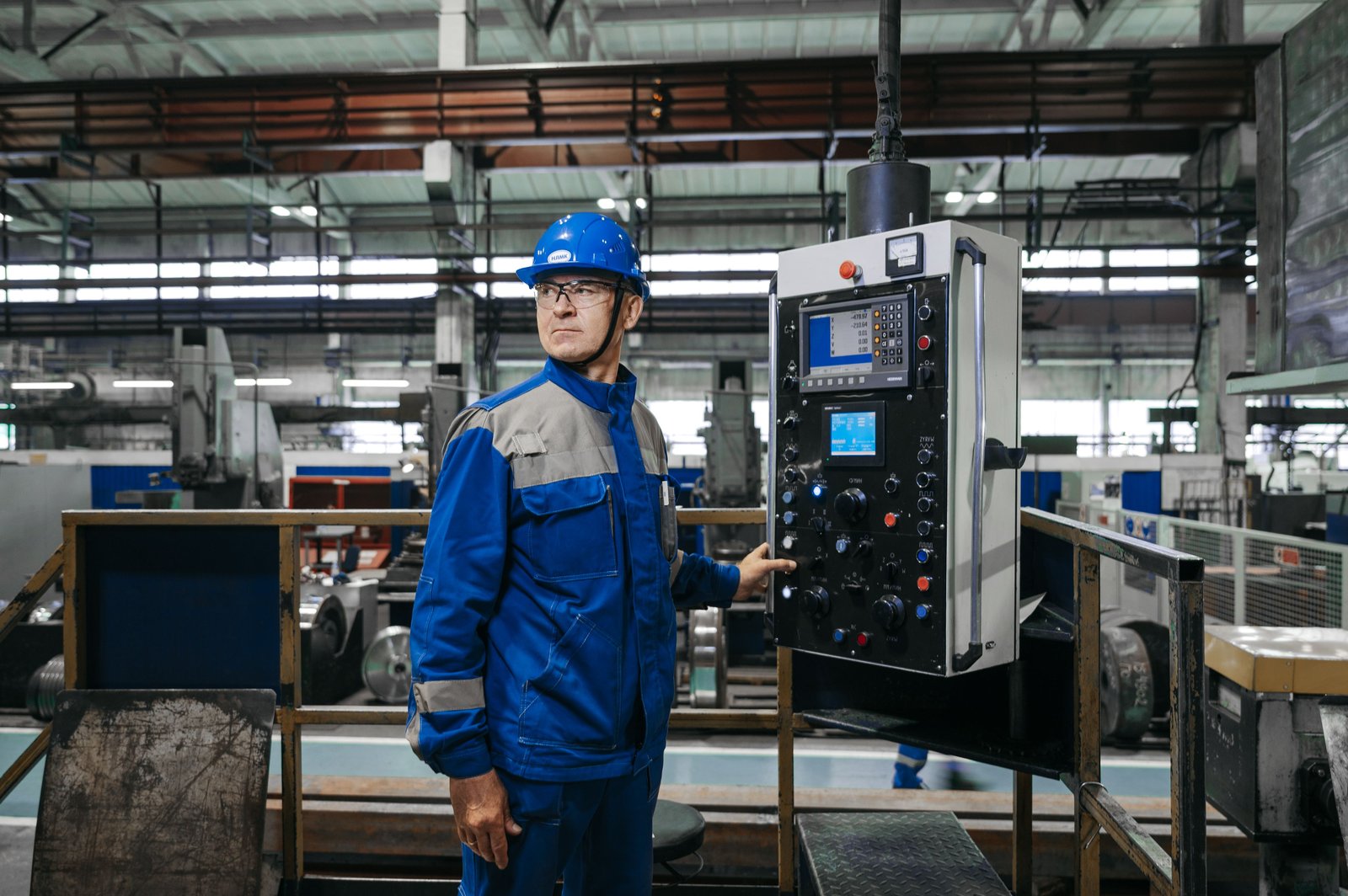
Manufacturing businesses depend on more than machinery and production lines to keep operations running. Their daily activities also rely on connected computers, business applications, production software, supplier networks and automated equipment. While these technologies improve efficiency, they can also create security risks if they are not properly managed.
For manufacturers in Orange County and Los Angeles County, a cyberattack can affect far more than office computers. It may interrupt production schedules, delay deliveries, expose sensitive business information or prevent employees from accessing essential systems.
This makes manufacturing cybersecurity in Orange County an important consideration for business owners, plant managers and IT teams. A practical security strategy should protect both traditional business IT and operational technology (OT), without creating unnecessary disruption to production.
Why Cybersecurity Matters for Manufacturing Businesses
Manufacturing environments often combine office IT systems with production equipment and industrial networks. These systems may include accounting software, inventory platforms, engineering workstations, industrial control systems, programmable logic controllers (PLCs) and production monitoring tools.
If one part of the environment is compromised, the impact can extend to other connected systems.
Some common cybersecurity risks for manufacturers include:
- Ransomware attacks: Malicious software can encrypt business files or disrupt access to important systems.
- Phishing emails: Employees may unknowingly share login details or open harmful attachments.
- Unsecured remote access: Poorly protected connections can give attackers access to business or production networks.
- Outdated systems: Older computers, applications and industrial devices may contain vulnerabilities that have not been addressed.
- Third-party access: Suppliers, equipment vendors and maintenance providers may introduce security risks through their connections.
Effective cybersecurity for manufacturers requires visibility into these risks and a plan to manage them before they interrupt operations.
1. Separate Office IT and Operational Technology Networks
One of the most important steps in manufacturing network security is separating office IT systems from operational technology.
Office IT generally includes email, employee computers, cloud applications, financial software and file storage. Operational technology includes the systems that monitor or control physical manufacturing processes, such as industrial controllers, sensors and production equipment.
When these environments are connected without appropriate security controls, an issue affecting an office computer could potentially spread towards production systems.
Network segmentation helps reduce this risk by dividing networks into separate zones and controlling how information moves between them.
Manufacturers should consider:
- Separating office networks from production networks.
- Restricting communication between systems to what is operationally necessary.
- Limiting access to industrial control equipment.
- Monitoring traffic between IT and OT environments.
- Reviewing network connections whenever new equipment is installed.
The objective is not to disconnect every system. It is to ensure that connections are intentional, monitored and properly protected.
2. Control Remote Access for Vendors and Maintenance Teams
Manufacturing equipment often requires support from external technicians, software providers and equipment manufacturers. Remote access allows these specialists to troubleshoot problems and maintain systems without always visiting the facility.
However, poorly managed remote connections can create an entry point for cybercriminals.
Manufacturers should establish clear rules for third-party access. Each vendor should receive only the permissions required to complete their work. Shared accounts and permanent access should be avoided wherever possible.
Recommended measures include:
- Using multi-factor authentication (MFA) for remote connections.
- Providing access only when required.
- Using individual accounts instead of shared credentials.
- Recording remote access activity.
- Removing access when a contract or maintenance requirement ends.
- Reviewing vendor permissions regularly.
These controls help manufacturers maintain operational flexibility while reducing unnecessary exposure.
3. Protect Backups to Support Ransomware Prevention
Ransomware can make important business files and systems unavailable, creating serious problems for production and administration teams. A reliable backup strategy is therefore an essential part of ransomware prevention in manufacturing.
However, simply having backups is not enough. Manufacturers need to know whether their data can actually be restored and how long recovery might take.
A practical backup strategy should include:
- Regular backups of important business data.
- Separate or offline backup copies where appropriate.
- Protection of backup accounts and systems.
- Backup coverage for critical production-related information.
- Routine restoration tests.
- Documented recovery procedures.
Manufacturers should also identify which systems need to be restored first. For example, restoring production scheduling, inventory information or essential business applications may be more urgent than restoring less critical systems.
4. Manage Patching Without Disrupting Production
Software updates and security patches help address known vulnerabilities. However, manufacturers cannot always install updates immediately, particularly when equipment must remain available during scheduled production hours.
Some industrial systems also require compatibility checks before updates can be applied. Installing an untested patch could affect equipment performance or interrupt an important process.
This is why manufacturing IT services should include a structured patch management process that considers both security and operational requirements.
A sensible approach involves:
- Maintaining an inventory of computers, applications and connected devices.
- Identifying systems with known security vulnerabilities.
- Prioritising updates according to risk and business importance.
- Testing updates in a suitable environment where possible.
- Scheduling installation during approved maintenance windows.
- Documenting systems that cannot be patched immediately and applying alternative security controls.
This approach helps reduce exposure while respecting production schedules.
5. Prepare a Downtime and Incident Response Plan
Even with strong security controls, no business can assume that every cyber incident will be prevented. Manufacturing companies should prepare for the possibility of system outages, ransomware attacks or compromised accounts.
A downtime plan helps employees understand what to do when essential systems become unavailable.
The plan should identify:
- Critical production and business systems.
- Key contacts responsible for incident decisions.
- Procedures for isolating affected devices or network segments.
- Alternative communication methods.
- Backup restoration priorities.
- Vendor and technical support contacts.
- Steps for safely resuming production.
Plant managers, operations leaders and IT teams should understand their responsibilities before an incident occurs. Regular reviews and practical exercises can help identify gaps in the response process.
6. Build a Security-Aware Manufacturing Workforce
Employees play an important role in protecting manufacturing environments. A single phishing email or accidental disclosure of login credentials can create risks for the wider business.
Security awareness training should be relevant to different job roles. Office employees may need guidance on email security and handling sensitive information, while production staff may need instructions on USB device usage, workstation access and reporting unusual system behaviour.
Manufacturers should also establish clear procedures for reporting suspicious emails, unexpected system changes, unfamiliar devices and unusual requests for remote access.
Strengthen Manufacturing Cybersecurity with IT Support LA
Manufacturing businesses need cybersecurity measures that protect their information, connected systems and production operations without overlooking day-to-day operational requirements.
IT Support LA helps businesses across Orange County and Los Angeles County strengthen their IT and cybersecurity practices through managed IT support, security-focused IT management and practical risk reduction.
Whether your organisation needs to review network security, improve remote access controls, strengthen backup procedures or develop a more effective downtime plan, taking a structured approach can help reduce avoidable risks.
Schedule a manufacturing security assessment with IT Support LA to review your current IT environment, identify potential vulnerabilities and discuss practical improvements for your business.
Call 818-337-0950 to get started.
Frequently Asked Questions
1. Why is cybersecurity important for manufacturing companies?
Manufacturing companies rely on connected business systems and production technology. A cyberattack can expose sensitive information, disrupt equipment access, delay production and affect customer deliveries. Cybersecurity helps protect these systems and supports business continuity.
2. What is network segmentation in manufacturing?
Network segmentation separates different parts of a network, such as office IT and production OT systems. It limits unnecessary communication between them and can help prevent a security incident in one area from spreading to another.
3. How can manufacturers reduce the risk of ransomware?
Manufacturers can reduce ransomware risks through employee training, multi-factor authentication, secure remote access, regular patching, network segmentation and tested backups. An incident response plan also helps teams respond more effectively if an attack occurs.
4. How can managed IT services help manufacturing businesses?
Manufacturing IT services can help businesses manage devices, monitor systems, apply security updates, protect data, manage user access and coordinate technical support. The right approach should account for production schedules and the specific requirements of the manufacturing environment.